We build custom iOS applications for iPhone, iPad, Apple Watch, and Apple TV using Swift and SwiftUI, architected with clean separation of UI and business logic, integrated with Firebase or REST/GraphQL API backends, and deployed to the App Store with full release management support.
Whether you are building a consumer app, a B2B SaaS product on iOS, or an enterprise mobile platform, every app we deliver is optimized for 60fps UI performance, App Store review compliance, and long-term code maintainability from the first sprint.
Below is the full range of iOS development services we cover.
Our iOS development services cover every stage of the app lifecycle — from technical scoping, UI/UX design in Figma, and Swift/SwiftUI development through Firebase or API backend integration, QA testing, and App Store submission. Each service is available independently or as a full-stack iOS engagement, depending on where your build currently stands.
We build custom iOS applications from the ground up using Swift and SwiftUI, architecting the full app from data model and state management through API integration, local storage with Core Data or SwiftData, and push notification implementation via APNs. Every custom iOS app is built for 60fps UI performance, App Store guideline compliance, and a codebase structured to support feature expansion without accumulating technical debt.
We provide iOS technical consulting for businesses deciding between native Swift development, cross-platform Flutter, or React Native covering technology selection, architecture approach, build vs. buy decisions, App Store strategy, and a phased delivery roadmap. Every consultation produces a documented recommendation with technical justification, not a generic proposal.
We design iOS app interfaces in Figma following Apple’s Human Interface Guidelines, building component-based UI systems with SF Symbols, Dynamic Type, and Dark Mode support that translate directly into SwiftUI implementation. Our iOS design process covers user flow mapping, adaptive layout design for iPhone and iPad screen sizes, interactive prototype validation with stakeholders, and design handoff structured for pixel-accurate SwiftUI development.
Custom iOS App Development
We run a full iOS QA cycle covering XCTest unit testing, UI automation testing with XCUITest, TestFlight beta distribution, device compatibility testing across iPhone and iPad models, memory leak profiling with Xcode Instruments, and App Store pre-submission review checks. Nothing proceeds to App Store submission until all priority issues are resolved and client sign-off is confirmed.
Technologies Used
XCTest
XCUITest
TestFlight
Xcode
Instruments
Xcode Simulator
Physical
Device Testing
VoiceOver Accessibility
App Store Review
Run a Full iOS QA Audit
We manage the full App Store deployment pipeline for iOS applications including app signing, provisioning profile configuration, build scheme setup for development, staging, and production environments, App Store Connect listing preparation, and CI/CD automation via Fastlane and GitHub Actions. Post-submission we handle TestFlight beta management, App Store review responses, and version update releases so your team ships new builds without manual release overhead.
Each industry in this list operates under distinct compliance requirements, user behavior patterns, and performance standards. We build iOS applications purpose-built for each sector applying HIPAA-compliant data handling for healthcare, PCI-DSS-aligned architecture for fintech, and domain-specific feature sets for every vertical we serve across the Apple ecosystem.
We develop HIPAA-compliant healthcare apps, telemedicine platforms, EHR systems, and digital tools that enhance patient care and clinical workflows.
Swift and SwiftUI share a common codebase across Apple’s device ecosystem, but each platform has distinct UI paradigms, interaction patterns, and framework requirements. We build natively for each Apple device target rather than adapting a single UI to every screen size, delivering the platform-appropriate experience that App Store users expect on iPhone, iPad, Apple Watch, and Mac.
We build native iPhone applications using Swift and SwiftUI, implementing iOS Human Interface Guidelines navigation patterns, Face ID and Touch ID authentication, APNs push notifications, Core Data persistence, and adaptive layouts for every iPhone screen size from iPhone SE to iPhone Pro Max. Every iPhone app is profiled with Xcode Instruments before App Store submission to ensure smooth 60fps rendering and optimal battery performance.
We build native iPad applications using SwiftUI’s adaptive layout system, implementing multitasking support for Split View and Slide Over, keyboard and Apple Pencil input handling, iPadOS-specific navigation patterns, and larger-screen UI designs that take full advantage of iPad’s display real estate rather than simply scaling up iPhone layouts. Our iPad builds support both iPad-only and universal iPhone/iPad targets from a shared Swift codebase.
We build native macOS applications using SwiftUI and Mac Catalyst, sharing Swift business logic and data layers from existing iOS codebases while implementing macOS-appropriate interface patterns including menu bar integration, keyboard shortcut support, window management, and macOS Human Interface Guidelines compliance. Our macOS builds are distributed via the Mac App Store or direct distribution, configured for notarization and Gatekeeper compliance required for macOS app distribution.
We build native Apple Watch applications using SwiftUI and WatchKit, implementing complications for watch face data display, HealthKit integration for biometric data access, haptic feedback patterns, and communication with the paired iPhone app via WatchConnectivity framework. Every Apple Watch build respects watchOS interaction constraints, glanceable UI design, minimal input requirements, and background refresh via background app refresh scheduling.
We build native iPhone applications using Swift and SwiftUI, implementing iOS Human Interface Guidelines navigation patterns, Face ID and Touch ID authentication, APNs push notifications, Core Data persistence, and adaptive layouts for every iPhone screen size from iPhone SE to iPhone Pro Max. Every iPhone app is profiled with Xcode Instruments before App Store submission to ensure smooth 60fps rendering and optimal battery performance.
We build native iPad applications using SwiftUI’s adaptive layout system, implementing multitasking support for Split View and Slide Over, keyboard and Apple Pencil input handling, iPadOS-specific navigation patterns, and larger-screen UI designs that take full advantage of iPad’s display real estate rather than simply scaling up iPhone layouts. Our iPad builds support both iPad-only and universal iPhone/iPad targets from a shared Swift codebase.
We build native Apple Watch applications using SwiftUI and WatchKit, implementing complications for watch face data display, HealthKit integration for biometric data access, haptic feedback patterns, and communication with the paired iPhone app via WatchConnectivity framework. Every Apple Watch build respects watchOS interaction constraints, glanceable UI design, minimal input requirements, and background refresh via background app refresh scheduling.
We build native macOS applications using SwiftUI and Mac Catalyst, sharing Swift business logic and data layers from existing iOS codebases while implementing macOS-appropriate interface patterns including menu bar integration, keyboard shortcut support, window management, and macOS Human Interface Guidelines compliance. Our macOS builds are distributed via the Mac App Store or direct distribution, configured for notarization and Gatekeeper compliance required for macOS app distribution.
Every iOS project we build follows a structured seven-phase process, with defined deliverables at each stage, two-week agile sprint cycles, and full client visibility from initial scoping through App Store submission. The process is built specifically around iOS development using TestFlight for pre-launch beta validation, Xcode Instruments for performance profiling, and CI/CD automation via Fastlane for consistent, low-risk App Store releases.
We begin with a stakeholder consultation to define business objectives, target platform scope (iPhone, iPad, Apple Watch), feature requirements, and compliance constraints. This phase produces a documented project specification, technology stack recommendation (Swift/SwiftUI, Firebase or custom API), and a phased delivery roadmap before any design or development begins.
We analyze competitor iOS apps, target user behavior patterns, App Store category benchmarks, and platform-specific feature expectations before architecture decisions are made. This phase produces a technical strategy document defining the app's core feature set, iOS-specific UX conventions to follow, and the state management and backend architecture approach suited to your use case.
We design iOS app interfaces in Figma, building component systems aligned with Apple's Human Interface Guidelines, applying SF Symbols, Dynamic Type, and Dark Mode support throughout. Adaptive layouts are designed for iPhone and iPad screen sizes before a single line of Swift is written. High-fidelity interactive prototypes are validated with stakeholders, so the SwiftUI implementation matches the approved design from the first sprint.
We build in two-week agile sprints, implementing SwiftUI or UIKit view layers, business logic separation with MVVM or Clean Architecture patterns, Firebase or REST/GraphQL API integration, local data persistence with Core Data or SwiftData, and platform channel implementation for device-native features including camera, biometrics, and location services. Xcode's build system and CI/CD automation via Fastlane keep iteration fast and code quality consistent across every sprint.
We run a full iOS QA cycle covering XCTest unit tests, XCUITest UI automation, TestFlight beta distribution across target devices, Xcode Instruments performance profiling for memory leaks and frame drops, accessibility audit with VoiceOver, and App Store pre-submission checklist validation. Nothing proceeds to App Store submission until all priority issues are resolved and client sign-off is confirmed.
We manage the full App Store submission process app signing and provisioning profile configuration, build scheme setup for staging and production environments, App Store Connect listing preparation including screenshots, metadata, and keyword fields, and CI/CD pipeline automation via Fastlane and GitHub Actions. Post-submission, we handle App Store review communication, rejection resolution, and release scheduling so your app goes live on the agreed date without manual delays.
Post-launch, we provide active crash monitoring via Firebase Crashlytics, performance tracking with Xcode Instruments, proactive bug resolution across iOS versions, and Swift and SwiftUI API migration as Apple releases new iOS versions. We manage App Store update submissions via our CI/CD pipeline and support ongoing feature development in sprint cycles so your iOS app stays current with Apple's release cadence without accumulating technical debt.
We begin with a stakeholder consultation to define business objectives, target platform scope (iPhone, iPad, Apple Watch), feature requirements, and compliance constraints. This phase produces a documented project specification, technology stack recommendation (Swift/SwiftUI, Firebase or custom API), and a phased delivery roadmap before any design or development begins.
We analyze competitor iOS apps, target user behavior patterns, App Store category benchmarks, and platform-specific feature expectations before architecture decisions are made. This phase produces a technical strategy document defining the app's core feature set, iOS-specific UX conventions to follow, and the state management and backend architecture approach suited to your use case.
We design iOS app interfaces in Figma, building component systems aligned with Apple's Human Interface Guidelines, applying SF Symbols, Dynamic Type, and Dark Mode support throughout. Adaptive layouts are designed for iPhone and iPad screen sizes before a single line of Swift is written. High-fidelity interactive prototypes are validated with stakeholders, so the SwiftUI implementation matches the approved design from the first sprint.
We build in two-week agile sprints, implementing SwiftUI or UIKit view layers, business logic separation with MVVM or Clean Architecture patterns, Firebase or REST/GraphQL API integration, local data persistence with Core Data or SwiftData, and platform channel implementation for device-native features including camera, biometrics, and location services. Xcode's build system and CI/CD automation via Fastlane keep iteration fast and code quality consistent across every sprint.
We run a full iOS QA cycle covering XCTest unit tests, XCUITest UI automation, TestFlight beta distribution across target devices, Xcode Instruments performance profiling for memory leaks and frame drops, accessibility audit with VoiceOver, and App Store pre-submission checklist validation. Nothing proceeds to App Store submission until all priority issues are resolved and client sign-off is confirmed.
We manage the full App Store submission process app signing and provisioning profile configuration, build scheme setup for staging and production environments, App Store Connect listing preparation including screenshots, metadata, and keyword fields, and CI/CD pipeline automation via Fastlane and GitHub Actions. Post-submission, we handle App Store review communication, rejection resolution, and release scheduling so your app goes live on the agreed date without manual delays.
Post-launch, we provide active crash monitoring via Firebase Crashlytics, performance tracking with Xcode Instruments, proactive bug resolution across iOS versions, and Swift and SwiftUI API migration as Apple releases new iOS versions. We manage App Store update submissions via our CI/CD pipeline and support ongoing feature development in sprint cycles so your iOS app stays current with Apple's release cadence without accumulating technical debt.
Hire a senior Swift and SwiftUI developer from ETechViral embedded in your project within days. Our iOS engineers cover the full build: architecture, Firebase or API integration, App Store deployment, and post-launch support. No lengthy onboarding, no overhead of a full-time hire.
Every technology in our iOS stack is an Apple-native framework or production-proven tool selected for Swift compatibility, App Store compliance, and long-term maintainability within Apple’s development ecosystem. We build exclusively with Apple’s recommended frameworks, giving every iOS app we ship direct access to the latest platform capabilities as Apple releases new iOS, watchOS, and macOS versions.


Native iOS development done right requires deep Swift and SwiftUI expertise, Apple Human Interface Guidelines fluency, and the App Store submission experience to get builds through review without rejection delays. Here’s what makes our iOS engineering team the right technical partner for your Apple ecosystem build.
Our iOS developers build exclusively in Swift and SwiftUI, implementing MVVM architecture with Combine reactive state management, Core Data and CloudKit data persistence, and Apple-native UI patterns that meet Apple Human Interface Guidelines on every screen. No cross-platform compiled output, no UIKit workarounds, pure native Swift performance across iPhone, iPad, Apple Watch, and macOS.
We have hands-on production experience across Apple's full framework library, HealthKit for biometric data, ARKit for augmented reality, StoreKit 2 for in-app purchases and subscriptions, WatchKit for Apple Watch, AVFoundation for media, PhotoKit for photo library access, and CoreLocation for location services. Every framework is implemented to Apple's documented best practices, not adapted from tutorials or Stack Overflow workarounds.
Every iOS app we build implements Apple's native security stack, Sign in with Apple for privacy-respecting authentication, Face ID and Touch ID via LocalAuthentication framework, encrypted keychain storage via Keychain Services, App Transport Security for HTTPS enforcement, and OAuth 2.0 and JWT for secure REST API communication. For healthcare and fintech applications we apply additional compliance-appropriate security controls from the first sprint.
We run two-week sprint cycles with defined Swift deliverables, end-of-sprint TestFlight builds distributed to stakeholders for real device testing, and Xcode Instruments performance reports shared at each milestone. Progress is tracked via Jira sprint boards and communicated through dedicated Slack channels, giving you full visibility into what's been built, what's been tested on device, and what's queued for the next sprint.
We manage the complete App Store submission process via App Store Connect, code signing, provisioning profiles, App Store listing optimization, App Store Review Guidelines compliance validation, reviewer feedback resolution, and phased rollout configuration. Our iOS team has submitted and successfully launched multiple App Store applications, meaning we know exactly which implementation patterns trigger App Store rejection and how to avoid them from day one.
Post-launch we provide crash monitoring, iOS version upgrade management, resolving Swift and SwiftUI API deprecations with each new iOS release, App Store update submissions via Fastlane and GitHub Actions CI/CD, App Store Connect analytics monitoring, and sprint-based feature development. Your iOS app stays current, compliant, and performant across every new iPhone, iPad, and Apple Watch model Apple releases.

Every project below is a production-deployed native iOS application, built in Swift and SwiftUI with Core Data or CloudKit persistence, Firebase or REST API backend integration, and APNs push notifications, submitted and approved through App Store Connect. Results are measured against real iOS KPIs including App Store rating, crash-free session rate, Xcode Instruments performance benchmarks, TestFlight feedback resolution rate, and time from first sprint to App Store approval.
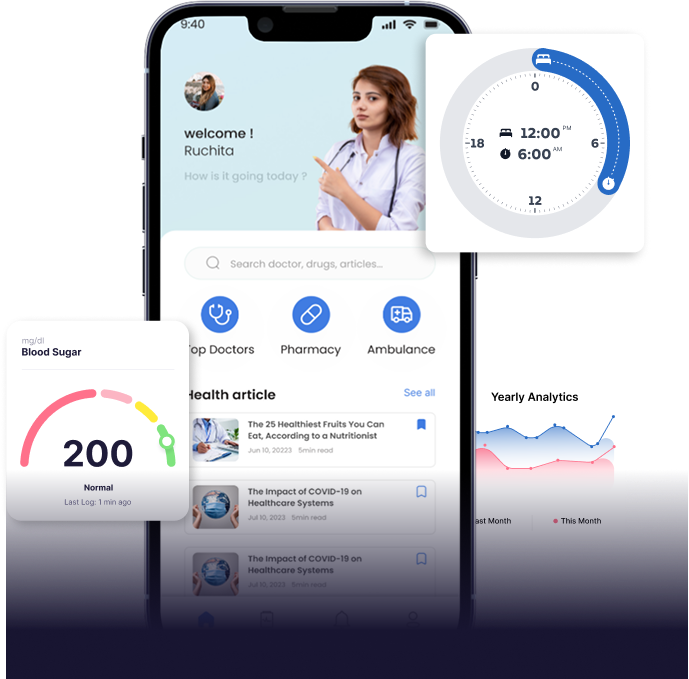
DentaSmart is a mobile app that uses AI and 3D tech to simplify dental care, from early diagnosis to personalized treatment.
From startup founders shipping their first Swift app to the App Store to enterprise teams building native iPhone, iPad, and Apple Watch experiences, here’s what our clients say about ETechViral’s iOS engineering quality, App Store submission reliability, and the real-world performance of the native iOS apps we’ve built together.
Amir Khan and his team is very responsible and works well. We have worked together and have been able to produce a good quality application. It has been easy to manage the project and they has delivered well. I would recommend others to use his services as they provide 100% perfect services.
There isn’t one fixed price because every project is different. The cost mostly depends on what you want to build and how complex it is. You can schedule a free consultation with our team to discuss your idea, explore options, and get a clear estimate based on your goals.
Swift is Apple's programming language for iOS, macOS, watchOS, and tvOS development, a compiled, type-safe language that replaced Objective-C as Apple's primary development language. SwiftUI is Apple's declarative UI framework built on Swift, introduced in 2019 as the modern replacement for UIKit, allowing developers to build iOS interfaces using a declarative syntax where UI components update automatically in response to state changes. At ETechViral, we build with SwiftUI as the primary UI framework, implementing MVVM architecture with Combine for reactive state management, while using UIKit components where SwiftUI's current capabilities require it. SwiftUI is Apple's stated direction for all future platform development, making it the right architectural choice for iOS apps that need to stay current with Apple's evolving framework ecosystem.
Every project goes through clear stages, research, design, development, testing, and review, so nothing feels rushed or uncertain.
Quality for us starts from how we plan, not just how we code.
Yes, absolutely.
We often work with clients who already have running systems or databases. Our team can analyze your current setup and build custom integrations using APIs or other secure methods to connect new features with your existing software.
Yes, absolutely.
We often work with clients who already have running systems or databases. Our team can analyze your current setup and build custom integrations using APIs or other secure methods to connect new features with your existing software.
Yes, absolutely.
We often work with clients who already have running systems or databases. Our team can analyze your current setup and build custom integrations using APIs or other secure methods to connect new features with your existing software.
No vague proposals. No bloated timelines. Just a free 30-minute consultation with our Swift and SwiftUI engineers, and a clear project scope with App Store delivery milestones delivered within 48 hours.


10+ iOS developers available now · Swift, SwiftUI & Xcode specialists · iPhone, iPad, Apple Watch & macOS delivery experience